MATERIA: INGLES
PROFESOR: EDUARDO AGUIRRE
5°A
martes, 27 de noviembre de 2012

Maya gods
Ah Kin> The Sun God

Chaac > The God of Water
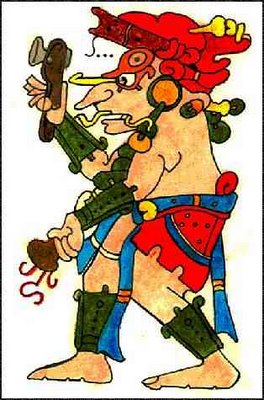
Ek Chuac > The God of trade

Itzamna > The God of Wisdom
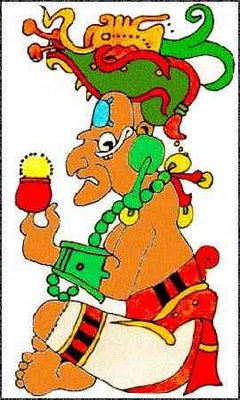
Ix U > The God of the moon
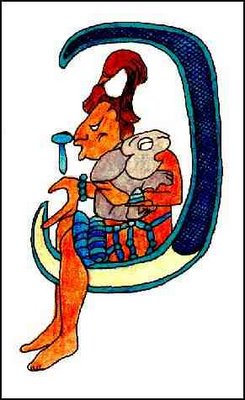
Ixchel > The God of medicine
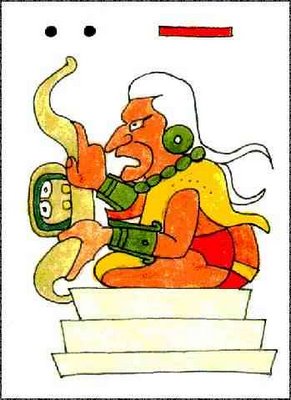
Ixtab >The God of suicide

The Snake God
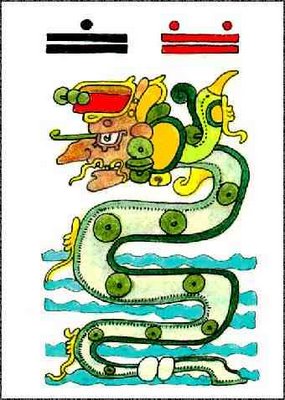
Kauil >The God of Fire
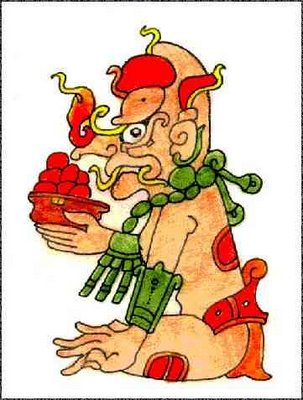
Xaman Ek > The God of the star
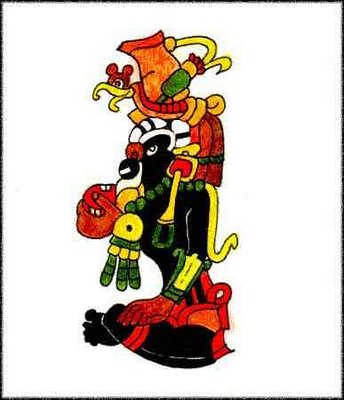
Yum Cimil > The God of Death
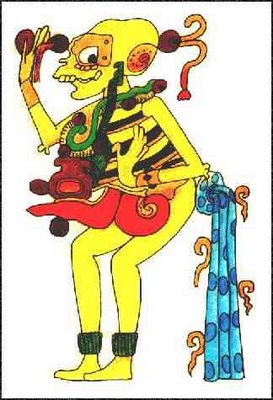
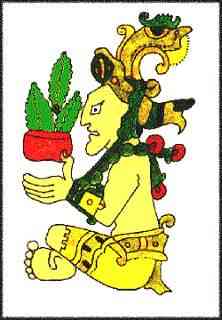
Yum Kaax > The Maize God
Maya Economy and Agriculture
The Maya based their economy mainly on trade in agriculture, but the hunting of wild animals and collecting forest products were also important activities.
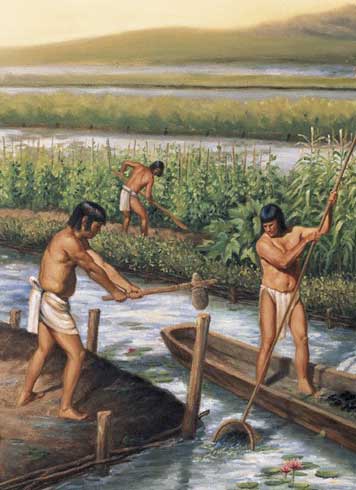 Maya Agriculture also relied on growing corn. Major fieldwork were cut and burned, to prepare the land for planting. This type of extensive agriculture required a plentiful land, since lowered productivity karstic region of the earth with a thin layer of mulch on top. This was necessary to change the land by planting every four years.The population increase during the Early and Late Classic Period at Tikal, forced the leaders to find alternatives to high-yielding crops. Intensive methods were introduced that made use of irrigation in Tikal, through channels and upland agriculture related hydraulic supplemented with vegetable gardens, fruit trees. His intensive agriculture, which used special techniques associated with hydraulic engineering, also carefully planned, when the whole city was built to collect water in huge tanks, called chultunes that were dug under the ground silos recubiertso stucco to prevent absorption water. This was a great feat of engineering Maya, driven by a need económica.
La agriculture has been the backbone of the economy from pre-Columbian Mayan and corn is the main crop. The Maya also cultivated cotton, beans (beans or bean), camote (sweet potato), cassava and cocoa. The techniques of spinning, dyeing and weaving achieved a high degree of perfection. As a unit of exchange were used cocoa beans and copper bells, material was also used for ornamental work, like gold, silver, jade, seashells and colored feathers.

Mayan dress
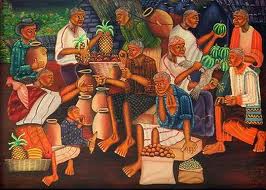
The wardrobe includes garments basically Maya handwoven or embroidered. Each with different qualities, such as the type of manufacturing, design, shape motifs and styles of dress. common people have to use clothes more suitable for everyday work, with men who used a class called patí trusa while women wore a skirt called huipil.Samples ostentosidad broader in Mayan garments seen in the aristocracy, where you could see costumes and embroidery designs decorated with colored feathers, accompanied necklaces, belts and other kinds of accessories decorated with gems, even could be found leather sandals. Were used in addition to various minerals ingenious way to dye fabrics and create the very striking aesthetic that we know about.
Maya pottery

Maya Pottery is characterized by the color and the details on. Also, the different techniques used in the pottery are easy to identify from which part of the region and the time of period were made. While Mayas were evolving techniques to have a better live and a stronger civilization; their pottery structure and shape were evolving too. During the Mayan Civilization period, two regions were the most outstanding at that time; the highlands and lowlands. From each region, the pottery had its own characteristics and techniques for making pottery. Also, in the pottery has depicted the different ritual, characteristics of important rules, and social events. Pottery had different characteristics from period to period; each period is easy to identify by the shape and the amount of colors used. For example, the preclassic period vessels or any type of pottery did not have any type of color. They just have a big hole in the middle or gourds shape for carrying liquids and foodstuff. However, during the late preclassic period, the pottery started having legs underneath to hold up and the use of cream-red color was predominant.
Suscribirse a:
Comentarios (Atom)